Hyrox has become one of the fastest-growing fitness races in Europe, and Switzerland is no exception. Part of the appeal is how simple it is to start: put on your running shoes, run eight kilometres and complete eight functional stations in between. But simple does not mean easy, and the gear you train with makes a real difference to how well you are prepared.
In this guide we look at what Hyrox actually demands from your body and your equipment, which training gear is worth having, and what you can happily leave at home. Everything we recommend is gear we use in our own training in Zurich.
How a Hyrox race works
Every Hyrox race follows the same format worldwide: eight times 1 km of running, each followed by one workout station. Weights differ by division, but the order of the stations stays the same:
- SkiErg – 1,000 m
- Sled push – 50 m
- Sled pull – 50 m
- Burpee broad jumps – 80 m
- Rowing – 1,000 m
- Farmers carry – 200 m
- Sandbag lunges – 100 m
- Wall balls – 100 reps
That mix of running and strength endurance is what makes Hyrox training different from pure running or classic gym training. Your legs, grip and hands get tired at the same time as your lungs, and that is exactly where the right gear helps.
Do you need special gear for Hyrox?
For race day, very little. A good pair of running shoes and comfortable training clothes are the only real must-haves. The bigger question is training. Preparing for a Hyrox means a lot of volume: sleds, carries, lunges, ski and row intervals and plenty of running. That volume is hard on your hands, wrists and knees, and that is where the right equipment keeps you training consistently instead of nursing torn palms or sore knees.
Hyrox training gear that makes a difference
1. Hand protection for high-volume sessions
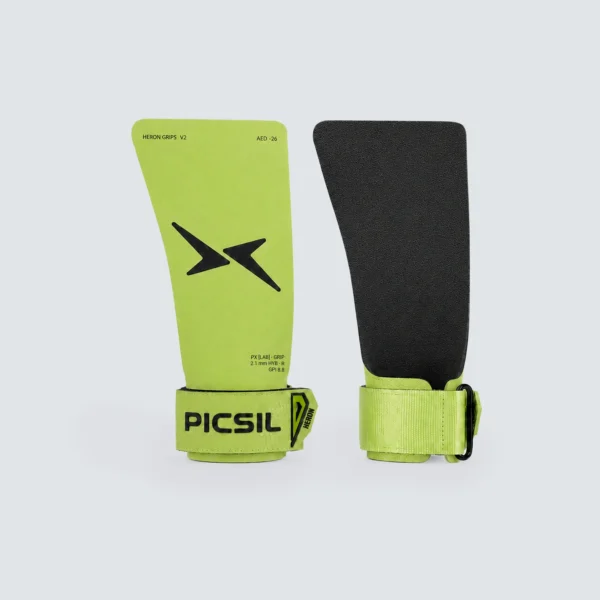
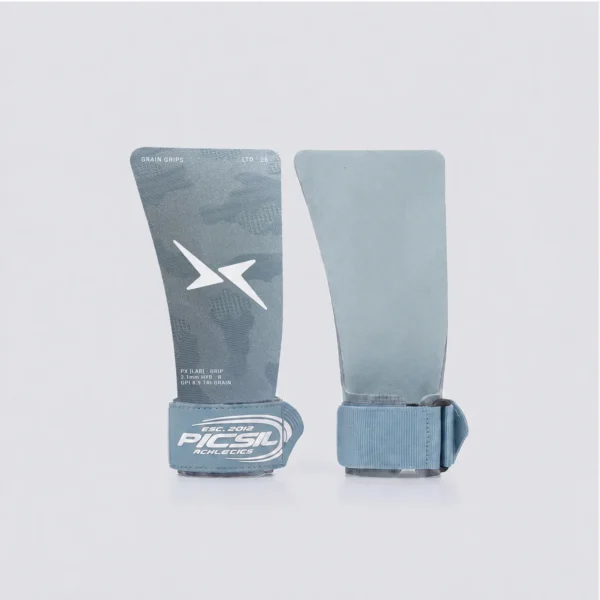
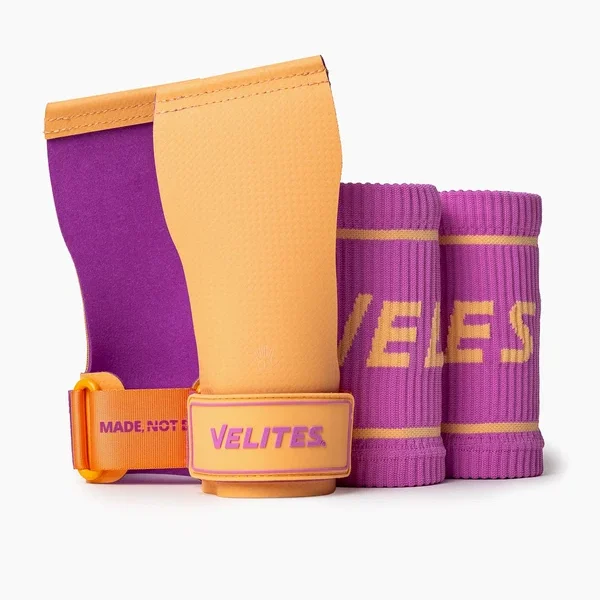
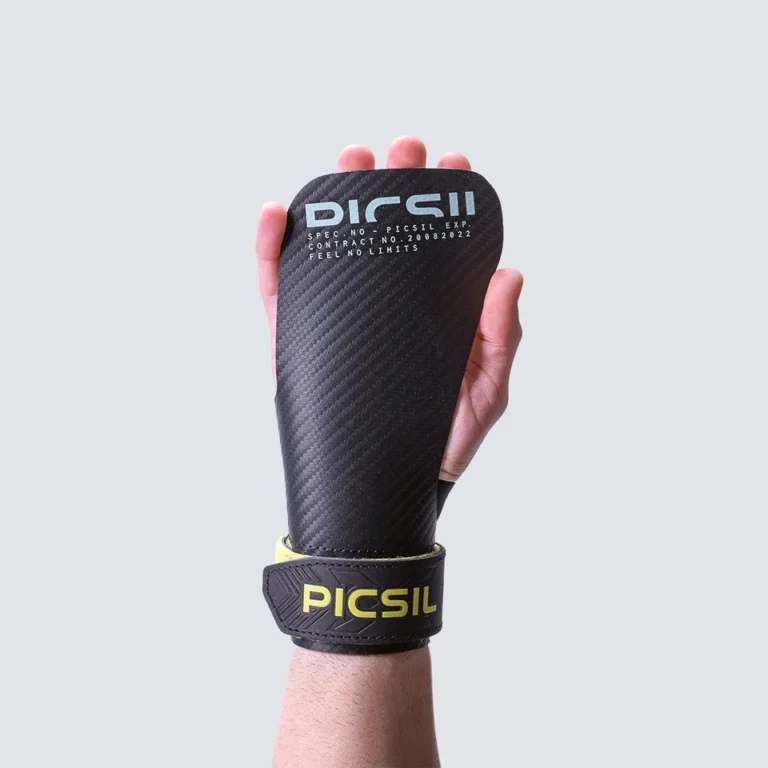
Rowing, SkiErg intervals, sled pulls and farmers carries add up to a lot of friction on your palms. Torn skin is one of the most common reasons athletes have to skip sessions. Light grips protect your hands without taking away the feel for the handle. The Velites Quad Pro Hyrox grips (CHF 29) are a light, entry-level option, while the Quad Ultra Hyrox grips and All Terrain Hyrox grips (both CHF 59) are built for athletes who also do gymnastics or train with a lot of pulling volume.
Tip: rules on hand protection can change between seasons. Before race day, check the current official HYROX rulebook for your division to see what is allowed at each station.
2. A jump rope for conditioning
Skipping is not part of the race, but it is one of the most efficient conditioning tools you can own. Ten minutes of rope work builds calf endurance, coordination and the kind of light-footed running rhythm you need between stations. The Velites Hyrox Cyclone Jump Rope (CHF 79) is fast enough for double unders and robust enough for daily use. If you are new to rope training, our jump rope buying guide explains which model suits which level.
3. Knee sleeves for lunges and wall balls
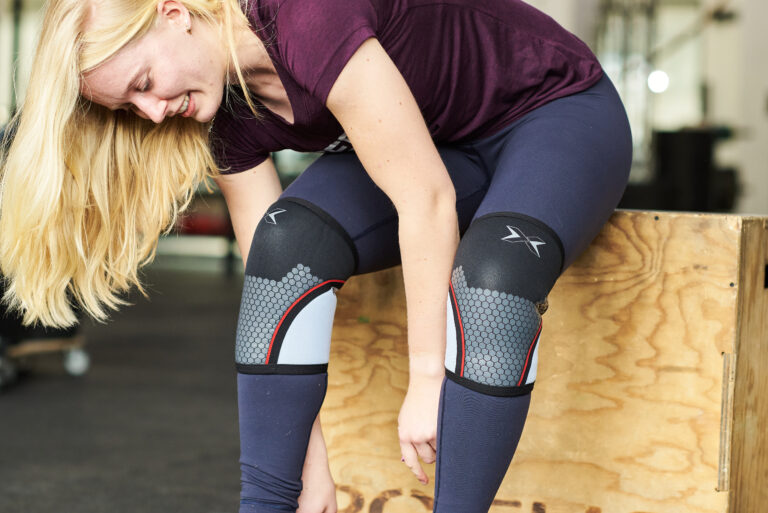
Sandbag lunges and wall balls are where many athletes feel their knees. During lunges the back knee often touches the floor, which gets uncomfortable fast on hard surfaces. Knee sleeves add warmth, compression and a protective layer. For Hyrox, a flexible sleeve such as the Rehband RX Knee Sleeve 5mm (CHF 29) or the lighter 3mm version (CHF 25) works better than a stiff 7mm powerlifting sleeve, because you still need to run. Read more in our knee sleeve guide.
4. Wristbands for sweat and grip
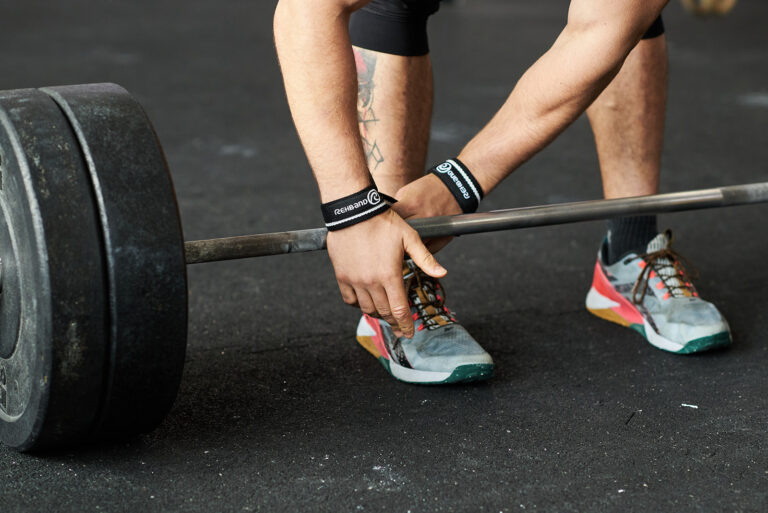
Sweat running into your hands makes every carry and sled pull harder. A simple pair of wristbands like the Velites Hyrox Special Edition Wristbands (CHF 9) keeps your grip dry for longer, in training and on race day.
5. A weighted vest for race-specific strength
Lunges, burpee broad jumps and running all get harder when you are tired, and training them under load builds the strength endurance you need for the second half of the race. A weighted vest lets you add load to lunges, step-ups and walks without holding anything in your hands. Start light and build up slowly; our weighted vest guide explains how.
Gear by station: what helps where
| Station | What it demands | Gear that helps in training |
|---|---|---|
| SkiErg and rowing | Pulling endurance, friction on the hands | Light grips, wristbands |
| Sled push and pull | Leg drive, grip on the rope | Grips for training volume, good shoes |
| Burpee broad jumps | Explosive legs, conditioning | Weighted vest for strength work |
| Farmers carry | Grip endurance, posture | Grip training, chalk for heavy sessions |
| Sandbag lunges | Leg endurance, knee contact with the floor | Knee sleeves, weighted vest |
| Wall balls | Squat endurance, shoulder stamina | Knee sleeves, jump rope conditioning |
What you can skip
- Heavy powerlifting gear. Stiff 7mm sleeves and thick lifting belts are great for maximal lifts, not for an hour of running and lunging.
- Gadgets you have not trained with. Race day is not the moment to try new shoes, new grips or new sleeves.
- Too many layers. Hyrox venues get warm. Light, breathable clothing beats an extra layer.
Training for Hyrox in Switzerland
Many Swiss gyms and CrossFit boxes now offer Hyrox classes with the same equipment you will find at the race: SkiErgs, rowers, sleds and wall balls. If you can, train at least once a week on race-like equipment, because sled weight and surface make a big difference.
- Practise compromised running. Run 1 km straight after a station so your legs learn to switch from strength to running.
- Train the weak stations. For most athletes that is the sled push, lunges or wall balls, not the running.
- Use winter well. When it is cold and dark, indoor intervals on rower and SkiErg combined with rope conditioning keep your engine running.
- Protect your hands and knees. Consistent training beats one heroic session followed by a week off.
Race-day checklist
- Running shoes you have trained in
- Light, breathable training kit
- Wristbands, and grips or sleeves if they are allowed in your division and you have trained with them
- Water bottle and a small snack for before the start
- Spare socks and a warm layer for after the race
Frequently asked questions
Do I need special gear for Hyrox?
No. Running shoes and comfortable training clothes are enough to start. Grips, knee sleeves, wristbands and a jump rope mainly help you train more consistently and comfortably in the weeks before the race.
Can I use grips or gloves at a Hyrox race?
Rules on hand protection can change from season to season and between divisions. Check the current official HYROX rulebook before race day and only use gear you have trained with.
Which knee sleeves are best for Hyrox?
Choose a flexible 3mm or 5mm sleeve. It protects your knees during lunges and wall balls without restricting your running. Stiff 7mm sleeves are better suited to heavy squats.
Is a jump rope useful for Hyrox training?
Yes. Skipping is not part of the race, but it is an efficient way to build calf endurance, coordination and conditioning between runs and stations.
Where can I buy Hyrox gear in Switzerland?
Gear 9 stocks Hyrox grips, jump ropes, wristbands and knee sleeves and ships from Zurich with Swiss Post. Delivery is free from CHF 70.