Rips, blisters and torn calluses are part of every CrossFit athlete’s story, but they do not have to be part of every week. A good pair of CrossFit grips protects your palms during high-rep bar and ring work and helps you hold on when your forearms are on fire. This guide covers everything you need to choose the right pair.
What CrossFit grips do
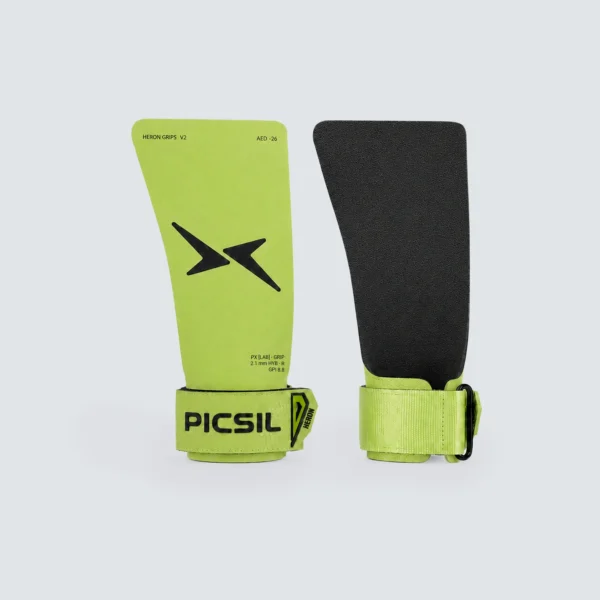
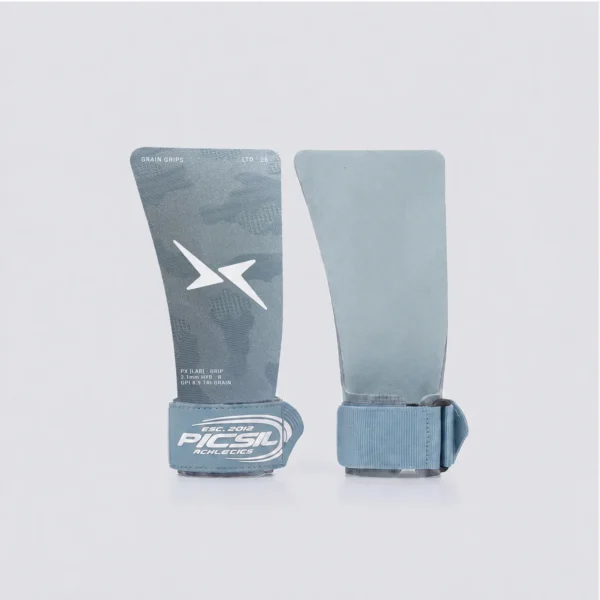
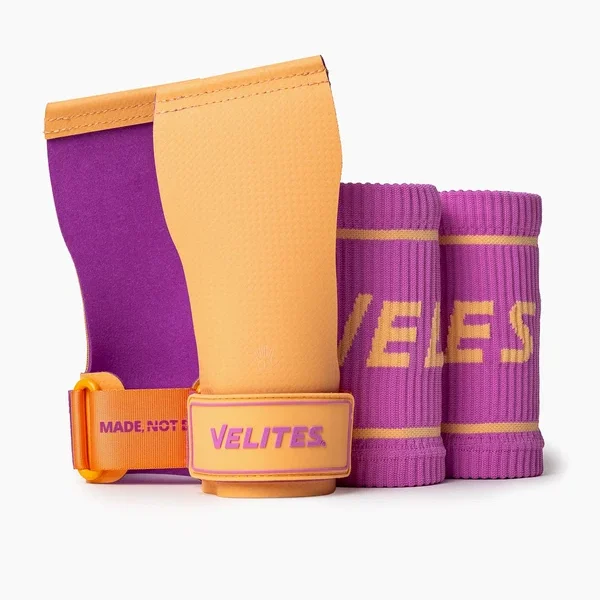
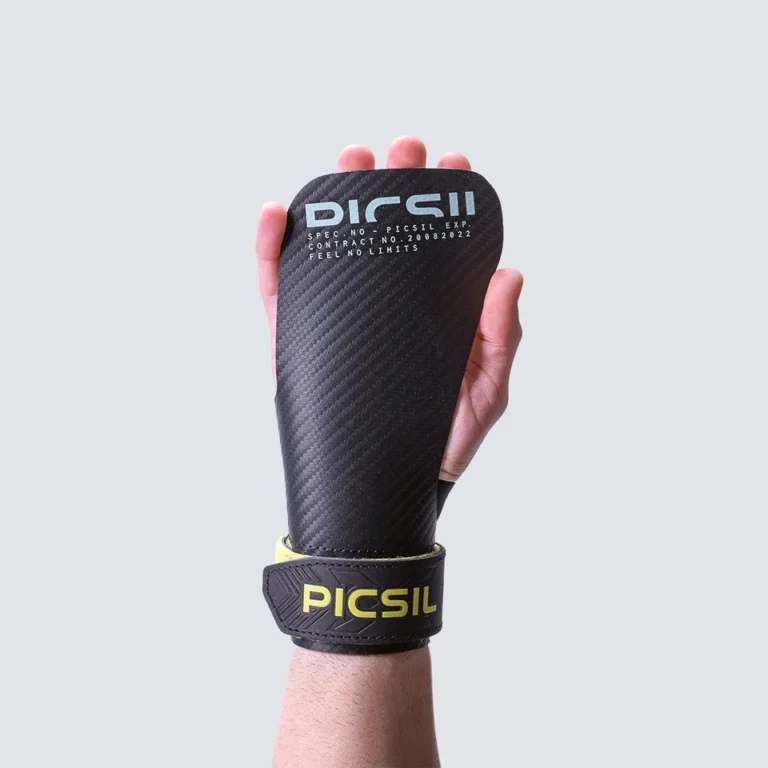
CrossFit grips (also called pull-up grips or gymnastic grips) are thin pads that sit between your palm and the bar, held in place by a wrist strap. They do two things:
- Protect your hands from friction, tears and rips during pull-ups, toes-to-bar, chest-to-bar and muscle-ups.
- Improve your hold on the bar, so your grip lasts longer in high-rep sets.
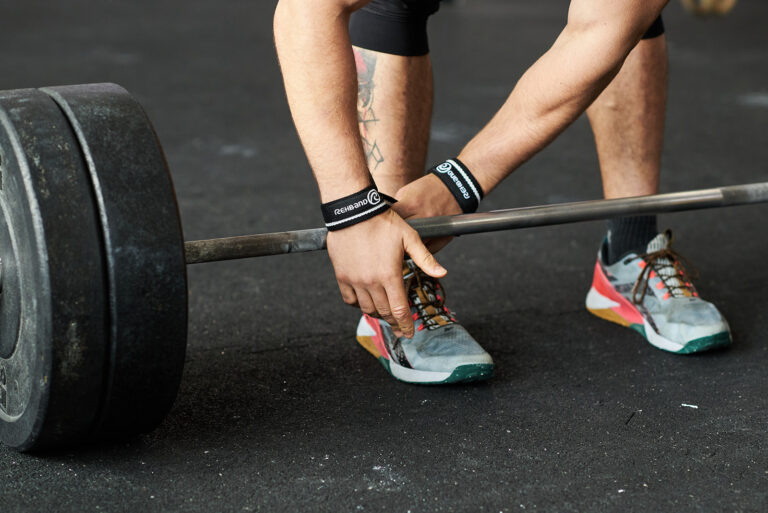
Grips are made for gymnastics, not for barbells. For heavy deadlifts and pulls, use lifting straps instead; pull-up grips wear out quickly on a knurled barbell.
Do you need grips?
If you only do a few pull-ups now and then, probably not. If you train CrossFit several times a week, do kipping or butterfly pull-ups, toes-to-bar or bar muscle-ups, then yes: grips let you train consistently instead of waiting for torn skin to heal. Many athletes also find they feel more confident on the bar.
Finger holes or fingerless?
This is the biggest decision. Early CrossFit grips were simple fabric pads with finger holes, made only to protect the hands. Over time grips became thinner and grippier, and athletes started sizing up and skipping the finger holes. Today the large majority of the grips we sell at Gear 9 are fingerless.
| Fingerless grips | Grips with finger holes | |
|---|---|---|
| Feel | Quick on and off, very little material between hand and bar | Stay in place better, more classic gymnastics feel |
| Best for | CrossFit WODs, pull-ups, toes-to-bar, Hyrox training | Rings, high bar, athletes who want maximum hold |
| Examples | Velites Quad Ultra, Picsil Heron, Victory Grips Apex Freedom | Picsil RX 3-Hole, Victory Grips X2 3-FC, X2 2-Finger |
Chalk or no chalk?
Some grips are designed to be used with chalk, others work best on a clean, chalk-free bar. No-chalk grips such as the Picsil Hawk No Chalk and the Velites Quad Ultra No Chalk grip the bar through friction, so chalk on the bar actually makes them slippery. Read how to use no-chalk grips the right way for the details.
Tip: if your box uses a lot of chalk on shared rigs, wipe the bar before your set or choose a grip that is designed to be used with chalk.
Our grips at a glance
| Grip | Type | Price |
|---|---|---|
| Velites Quad Pro | Fingerless, light | CHF 29 |
| Victory Grips X2 Freedom | Fingerless | CHF 29 |
| Picsil Falcon SS25 | Fingerless | CHF 49 |
| Picsil Phoenix SS25 | Fingerless | CHF 55 |
| Velites Quad Ultra No Chalk | Fingerless, no chalk | CHF 59 |
| Picsil Heron | Fingerless, PU, aramid and microfiber; works without magnesium | CHF 59 |
| Velites All Terrain | Fingerless | CHF 59 |
| Victory Grips Apex Freedom | Fingerless | CHF 59 |
| Picsil RX 3-Hole | 3 finger holes | CHF 35 |
How to choose the right size
- Every brand sizes differently, so always check the size chart on the product page. Most charts use the length of your hand or the circumference of your palm.
- Fingerless grips should reach far enough up your fingers to fold over the bar. Too short and they lie flat; too long and they bunch up.
- Grips with finger holes should sit snugly without pulling on the fingers when your hand is open.
- Between two sizes? Check the brand’s own advice on the product page; many athletes size up for fingerless grips so the material folds over the bar.
Still unsure? Email orders@gear9.ch with your hand measurement and what you train. We use these grips ourselves and will help you choose.
Use grips as grips, not as hooks
A recent trend is to drape oversized grips over the bar and hang from the wrist strap instead of actively gripping. It saves the forearms in the short term, but it also means your grip strength never develops and the load moves to your wrists. Use grips to protect your hands while you still actively hold the bar, and build grip strength separately. Our guide to grip strength training shows how.
Breaking in and caring for your grips
- Break them in. New grips can feel stiff. A few easy sessions of hangs and kipping swings help them shape to your hands.
- Let them dry. Never leave grips wet in your gym bag. Air them out after every session.
- Clean them gently. Follow the care instructions of the brand; most grips should not go in the dryer or near direct heat.
- Check the straps. Replace grips when the strap or the material starts to tear. A grip that fails mid-set is a safety risk.
Frequently asked questions
Are CrossFit grips worth it?
Yes, if you do regular gymnastics work like pull-ups, toes-to-bar or muscle-ups. Grips protect your hands from rips so you can train consistently.
Should I choose fingerless grips or grips with finger holes?
Fingerless grips are quick to use and the most popular choice for CrossFit WODs. Grips with finger holes stay in place better and are often preferred for rings and classic gymnastics.
Can I use chalk with my grips?
It depends on the model. Some grips are made to be used with chalk, while no-chalk grips work best on a clean bar and become slippery with chalk.
How do I know my grip size?
Check the size chart on the product page, which is usually based on hand length or palm circumference. If you are between sizes, email us and we will help.
Can I use pull-up grips for deadlifts?
No. Pull-up grips are made for gymnastics and wear out quickly on a barbell. Use lifting straps for heavy pulls.
Where can I buy CrossFit grips in Switzerland?
Gear 9 stocks grips from Picsil, Velites and Victory Grips and ships from Zurich with Swiss Post. Delivery is free from CHF 70.